


Timing and targeting
Treat at dawn or dusk when pollinators rest, and focus only on affected zones. Use spot applications, physical traps, or pruning to limit exposure. Keep pets indoors temporarily, post notices on shared paths, and verify that blossoms remain untouched by residues or drifts.
Safe application practices
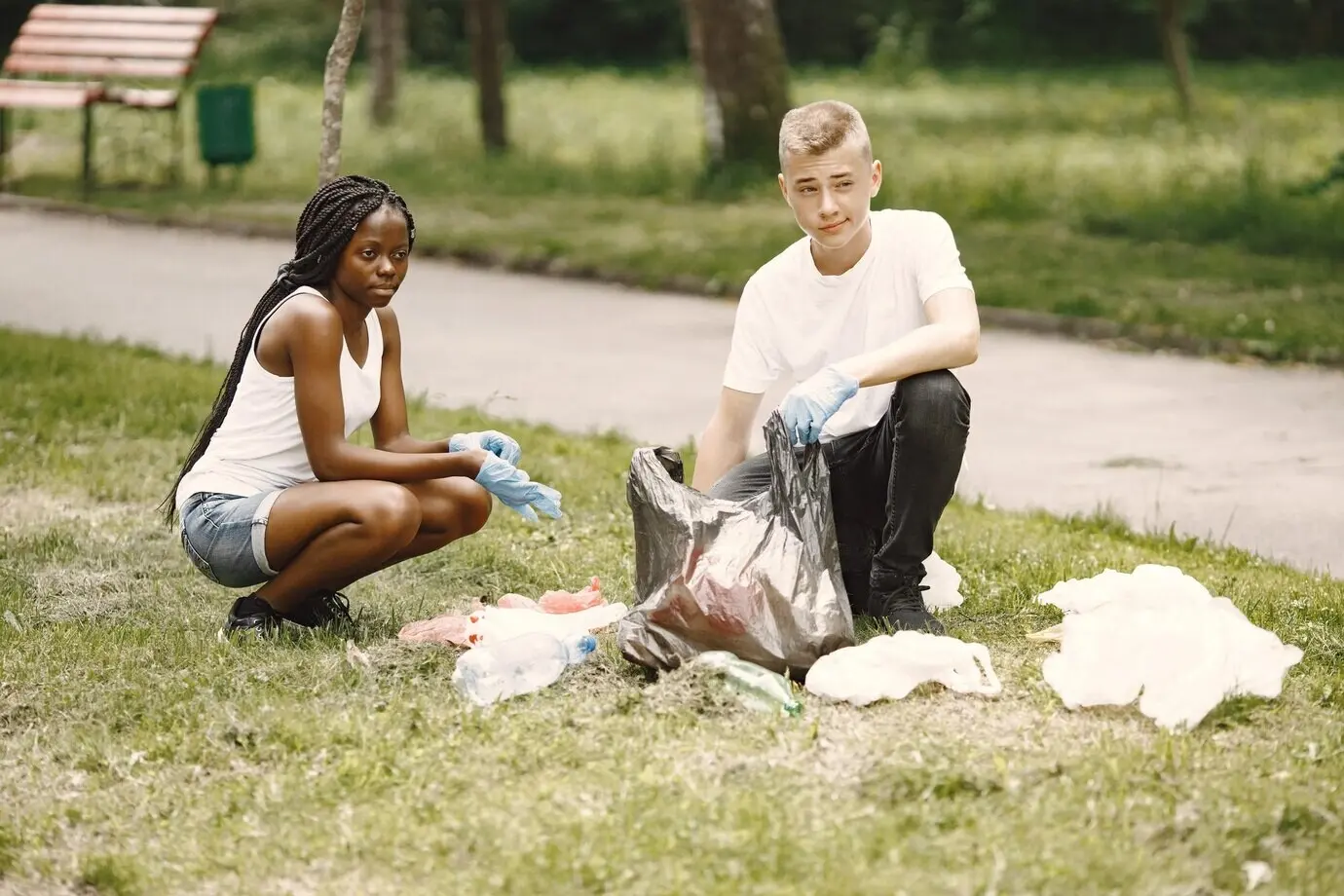
Wear gloves and masks where appropriate, measure carefully, and follow label intervals. Mix only what you’ll use, prevent runoff to drains, and store securely. Keep meticulous logs with dates, weather, and results so patterns emerge, waste declines, and community trust grows alongside healthier landscapes.

Communication and signage
Let neighbors know when you are deploying traps, releasing beneficials, or conducting trials. Friendly door hangers and group chats reduce misunderstandings and invite collaboration. Share QR codes to resources, invite feedback, and celebrate joint successes with photos, open gardens, and small, recurring neighborhood learning events.